
Avocado Toast, Rebalanced
Whole-grain avocado toast ideas built with fiber, healthy fats, and blood-sugar balance in mind.

Rethinking a Bread Breakfast for Blood-Sugar Management
As a chef, I think a lot about how to make familiar foods work better without taking away the reason we enjoy them in the first place. Avocado toast is a good example. If you're managing insulin resistance, prediabetes, or type 2 diabetes, it doesn't necessarily have to disappear from the menu.
Bread doesn’t have to be the foundation of every breakfast when blood sugar is a concern. Foods such as unsweetened yogurt, vegetables, legumes, nuts, seeds, and tofu offer other useful ways to build a meal around fiber, protein, and minimally processed foods. But whole-grain bread can absolutely fit into a diabetes-friendly eating pattern, and sometimes avocado toast is exactly what you want for breakfast.
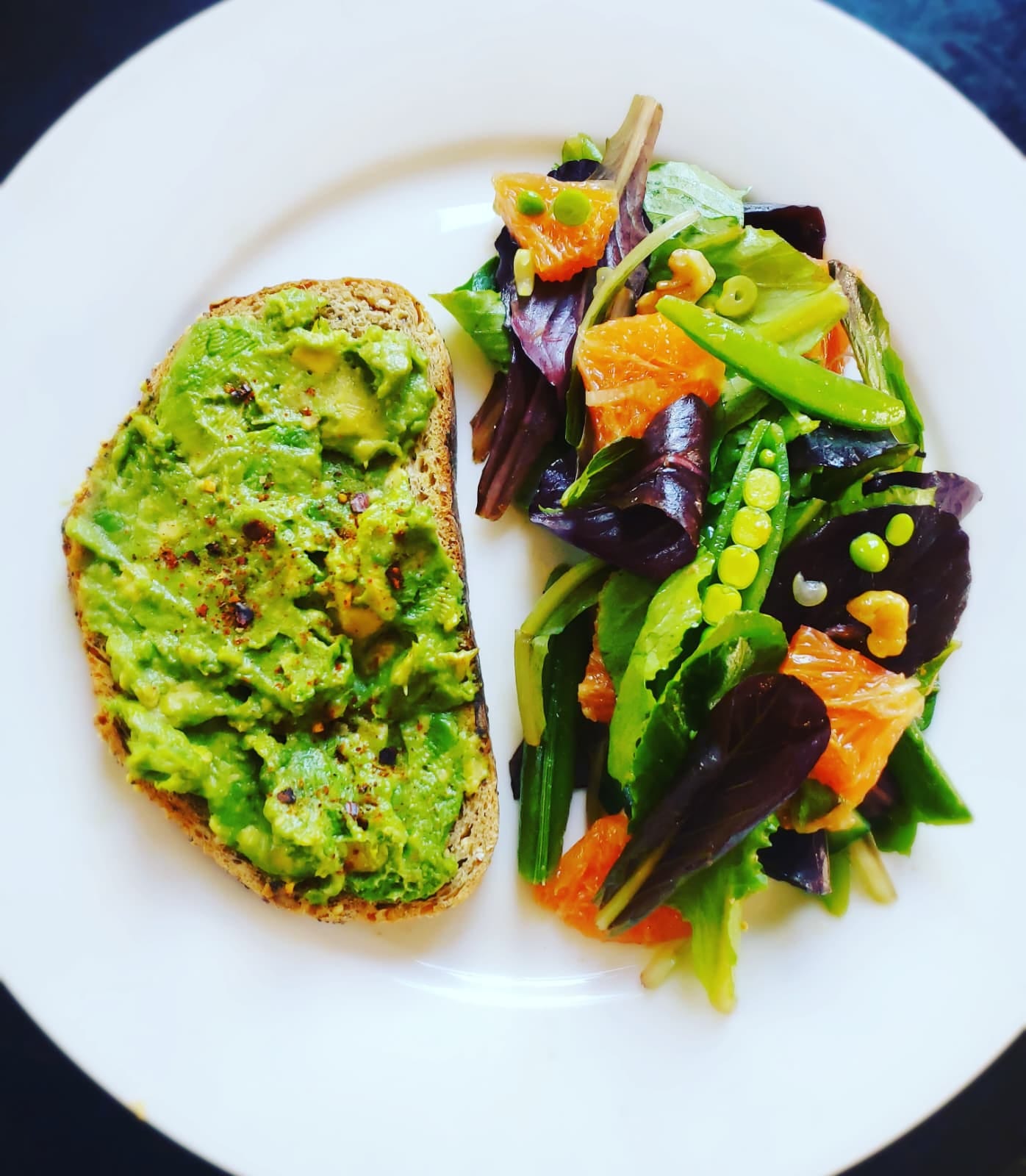
This recipe is for anyone who can tolerate an appropriate portion of whole-grain bread and wants avocado toast but wants to build the plate around it more thoughtfully. Instead of letting bread carry the entire meal, it becomes one component on a plate that also includes a crisp salad of snap peas, citrus, and walnuts with a spiced avocado topping in place of a sugary spread.
Why It’s Built This Way
A few small, deliberate choices give this plate a real edge for blood-sugar management. None of them is a cure, but together they form a practical, evidence-informed approach.
1. Eat the Salad First
This may be one of the easiest changes to try because it requires no different ingredients, only a different order. A randomized crossover study of 15 people with prediabetes found that eating vegetables (or protein and vegetables) before carbohydrate reduced the incremental post-meal glucose peak by more than 40%.
Start with the greens, snap peas, walnuts, and citrus before moving on to the toast. This isn't identical to the study protocol, but it applies the same general idea of putting a fiber-rich, minimally processed part of the meal before the bread.
2. Choose a True Whole-Grain Bread
Whole grains keep more of their natural fiber than refined white bread, and fiber slows digestion, which helps moderate the after-meal blood sugar rise — one reason the CDC recommends whole grains over refined ones for people managing diabetes.
Whole grain on a label doesn't guarantee a small glucose response. Research suggests that less finely milled whole grains and breads that retain more intact grain structure can produce a smaller post-meal glucose response than finely milled whole-grain products. Appearance alone isn't a guarantee, so check the ingredient list and nutrition label too.
3. Let Avocado Do Double Duty
Avocado adds fiber and mostly unsaturated fat, and pairing carbohydrate with fat, fiber, or protein is a CDC-recommended way to soften a blood sugar rise. In a 12-week trial of adults with insulin resistance, swapping some carbs for avocado increased fiber, unsaturated-fat, and vegetable intake and produced some favorable changes in cardiometabolic biomarkers. It did not significantly improve the study's primary measure of insulin sensitivity, however, and the HbA1c result was only a favorable trend. Avocados are a useful component of the meal, just not a stand-alone fix.
4. Use Walnuts Instead of Olive Oil in the Dressing
A quarter cup of whole walnuts replaces the olive oil you'd normally add to a citrus dressing, contributing fiber, plant protein, and healthy fat instead. The clinical evidence on walnuts and blood sugar specifically is mixed; most meta-analyses find no change in fasting glucose or HbA1c, though a 2025 meta-analysis of 32 randomized trials found a modest improvement in insulin resistance (HOMA-IR).
Instead of adding oil to the dressing, this version gets richness from walnuts, which also contribute fiber, plant protein, and unsaturated fat.
5. Keep the Citrus Mostly Whole
Only a small amount of juice goes into the dressing. Most of the mandarin or Cara Cara is eaten as intact segments, pulp and fiber included. Whole fruit retains fiber that juice loses, and the CDC specifically recommends whole fruit over juice for people managing carbohydrate intake.
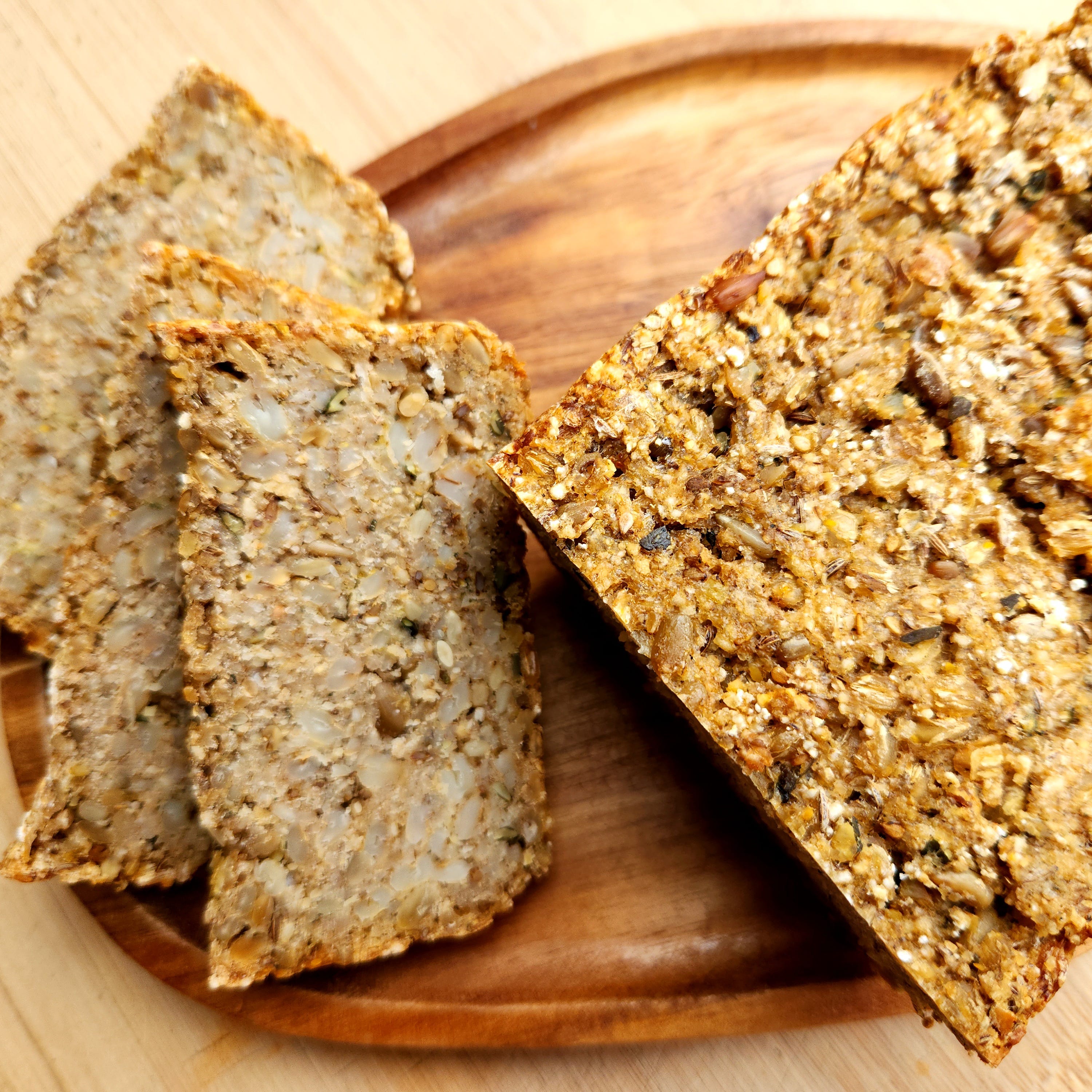
Rustic Barley Seed Bread
This loaf is built as a concept bread, not a specialty item or a once-in-a-while health loaf, but an everyday bread designed to improve cholesterol markers over time. No added oils. No refined starches. Just smart grain choice, proper hydration, and functional fiber.
Spiced Smashed Avocado Toast with Mandarin, Walnut & Snap Pea Salad
Serves: 4 / Prep Time: 15 minutes / Cook Time: 5 minutes
Avocado Toast
Ingredients
