
Sweet Without the Spike
How to build sweetness into savory cooking without the blood sugar explosion.

The Familiar Enemy
We talk about “highly processed foods” as though the danger is abstract, something vague and industrial. But look closely at the ingredient list of almost any processed product and you will find the same familiar face near the top: sugar.
Not always labeled as such, it hides as dextrose, maltodextrin, high-fructose corn syrup, evaporated cane juice, fruit juice concentrate. But it is sugar. And it is everywhere.
The World Health Organization recommends adults consume no more than 10% of total daily energy from free sugars, ideally less than 5%. Most people in Western countries exceed that with alarming ease. This is not a small overshoot. It is a daily metabolic burden compounded over decades.
The bigger picture shows:
537 million adults are living with diabetes worldwide.
1 in 2 diabetics are estimated to be currently undiagnosed.
Large quantities of white sugar, eaten often, are damaging to metabolic health. The spike in blood glucose that follows a sugar-heavy meal triggers a sharp insulin response and, over years, repeated spikes erode the body’s ability to regulate that process.
For people already living with diabetes it is the reality of daily life.
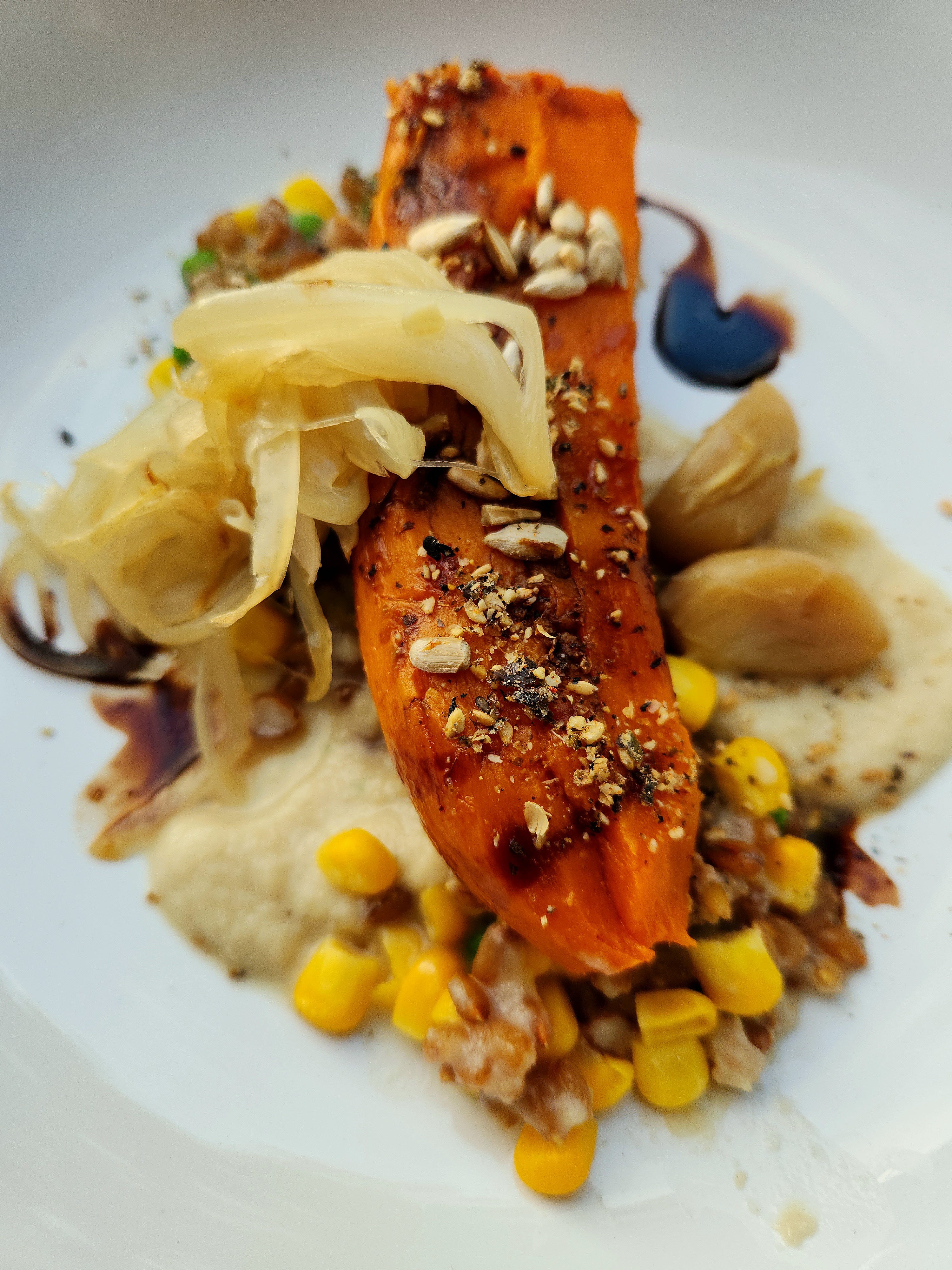
But sweetness itself is not the enemy. Sweetness is one of the oldest, most universal pleasures of the table. The question worth asking is not how to eliminate it, but how to source it differently.
Step-by-Step Demonstration
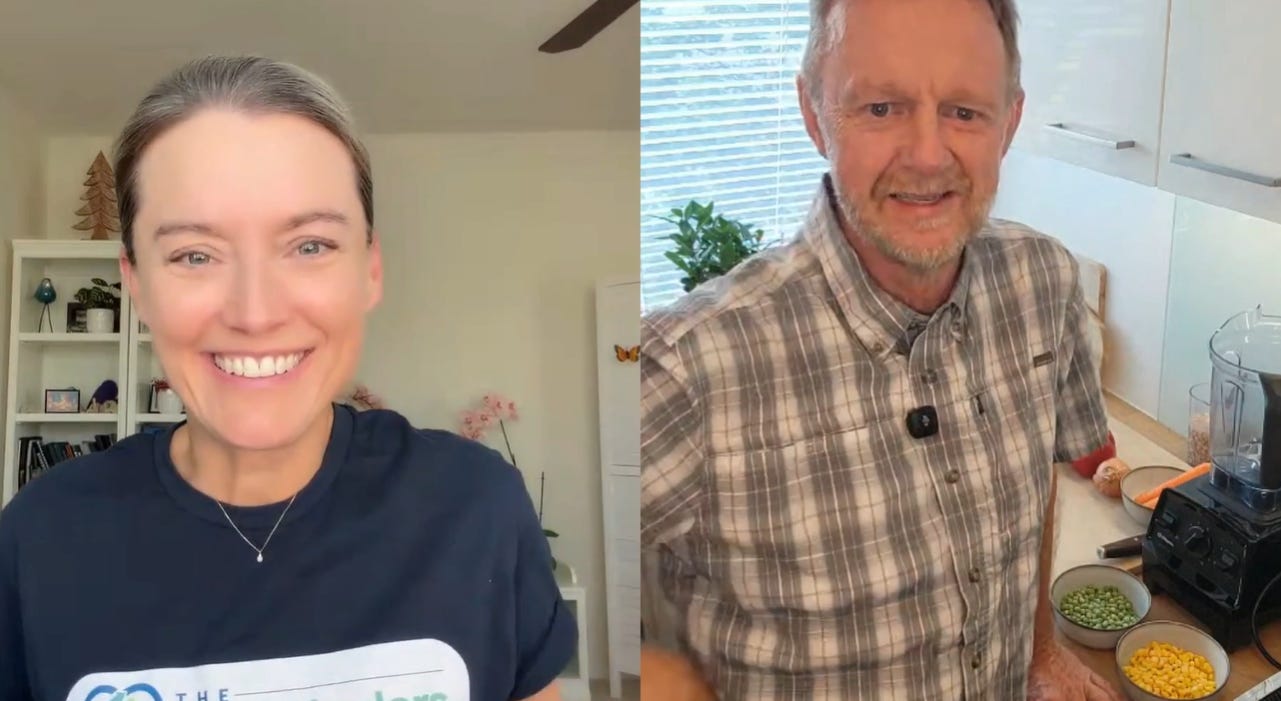
Watch my live cooking video with Dr. Laurie Marbas, where I prepare the dishes featured in this article.
The Art of Sweet-Sour
Sweet-sour balance is one of the most enduring cooking techniques. It appears in Persian khoresh, Moroccan tagine, classic Cantonese sweet-sour sauces, German Sauerbraten, Italian agrodolce, and the chutneys of the Indian subcontinent.
In every one of those traditions, cooks understood something essential. A small delicate measure of sweetness makes the whole dish more alive. It creates contrast. Acid tastes brighter. Bitterness softens. Savory depth finds its counterpoint.
The goal is sweetness that creates balance, and for diabetics, this distinction is everything. Sweetness can belong in savory cooking, but the question is which sweetness, how much, and in what form?
Two Metabolic Habits Worth Building
No conversation about blood sugar in cooking is complete without acknowledging what happens before the fork reaches the mouth. Two habits, practiced consistently, change how the body handles almost any meal.
